.png)
We’re Heading to LA for Pragma’s Online Services Summit
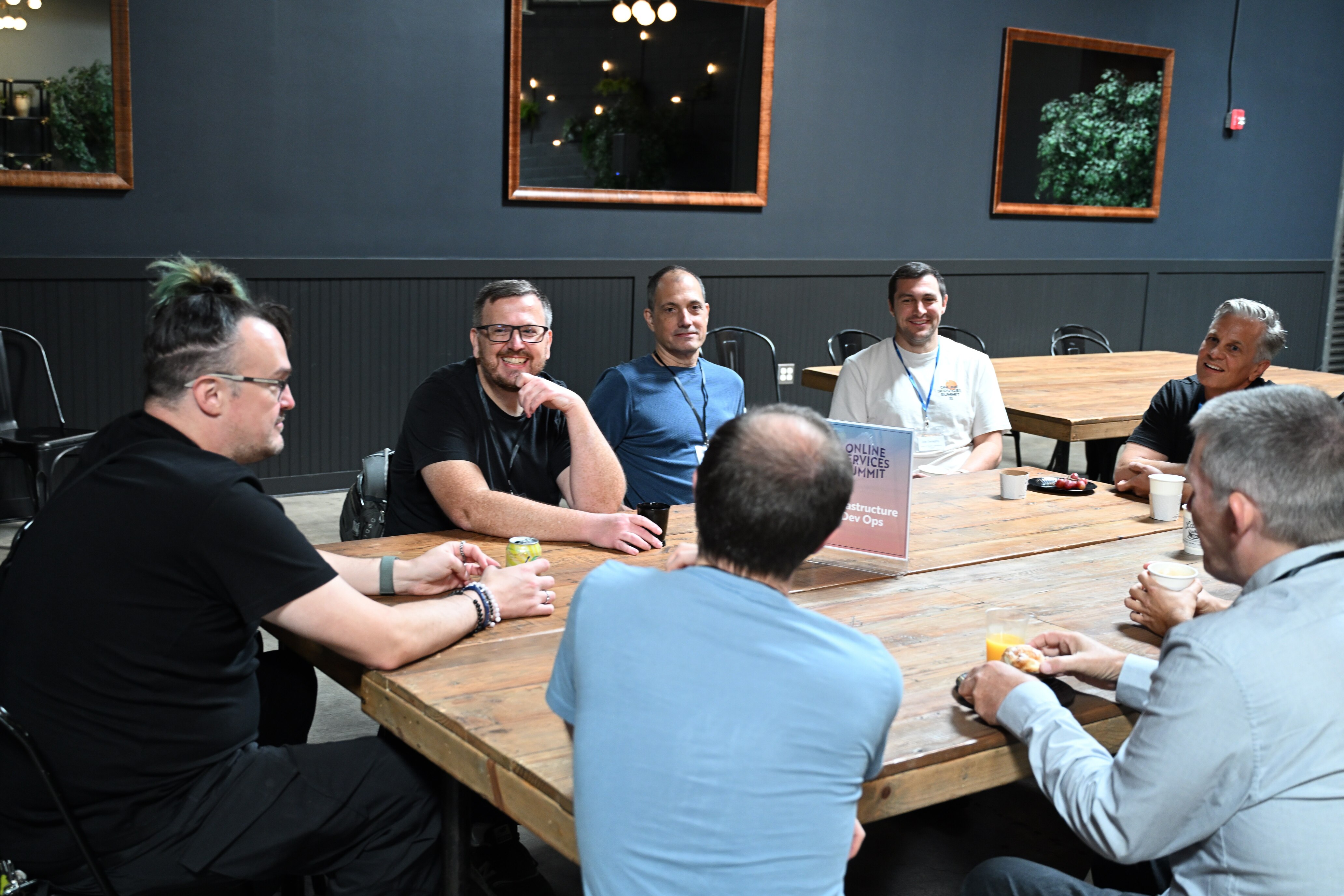
Next month, we’re heading to Culver City to sponsor Pragma’s Online Services Summit, an invite-only gathering for engineers building and operating online games. It’s a day dedicated to the boring infrastructure that actually keeps modern games running. And that’s exactly where Solsta lives.
Why This Event Matters
OSS brings together online-services, backend, DevOps, and infrastructure leaders from studios around the world. The focus is on the technology and practices that let teams ship reliably at scale: matchmaking, social systems, live-ops tooling, observability, and everything in between.
We’re sponsoring because build distribution and environment access sit in the same critical path. If you can’t get the right build to the right team quickly, none of that backend work reaches players. Or even your QA partners. On time.
.jpg)
.png)
Who’s in the Room
The summit features speakers from companies like Scopely, 2K, Gardens, and more. A few perspectives from last year that really stuck with us:
Mike Seavers (Scopely) talked about choosing boring tools on purpose. His point: most teams are better off taking the 80% solution that’s proven and reliable, instead of chasing perfectly tailored systems that are expensive to build and maintain. If a tool doesn’t support 100% of your use case, adjust your requirements to 80%. Take the efficiency win, pick tools that fit the job, and move on. There’s no reason to build custom solutions when off-the-shelf options are out there and worth evaluating.
Meir Wasserman (2K) highlighted how there’s a push towards boring tech because it takes the worry out of things. Engineers shouldn’t spend time solving problems that others have already solved. By using reliable, boring external tools, the team can focus entirely on making the game fun and unique.
Serge Knystautas (Gardens Interactive) encouraged teams to be creative about how they use tools, not just about what they build. Serge allocates funds to his game dev teams specifically to adopt new tools, especially with AI, and experiment. See what works best at what stage of the game. Let’s build what works for us and makes us special or successful versus building in-house tools. He also stressed meeting engineers where they are: understand why a team might resist a new tool and find a middle ground instead of forcing adoption from the top down. Boring tools, when used right, are the foundation for creativity and speed.
What We’re Bringing
At OSS, we’ll be talking about how Solsta fits into this online-services ecosystem:
Fast, global build delivery that plugs into existing CI/CD (Jenkins, GitHub, GitLab, TeamCity) so teams don’t have to rebuild their pipelines.
Environment-aware access for internal teams and external partners, so distributed development and co-development don’t get blocked on build sharing. Boring, dependable infrastructure for build distribution, engine-agnostic, cloud-backed, and designed to reduce support load on DevOps and online-services teams. Thank you Pragma for letting us join the engineering meet up and lear about real poin points in game development that studios are facing.